.png)

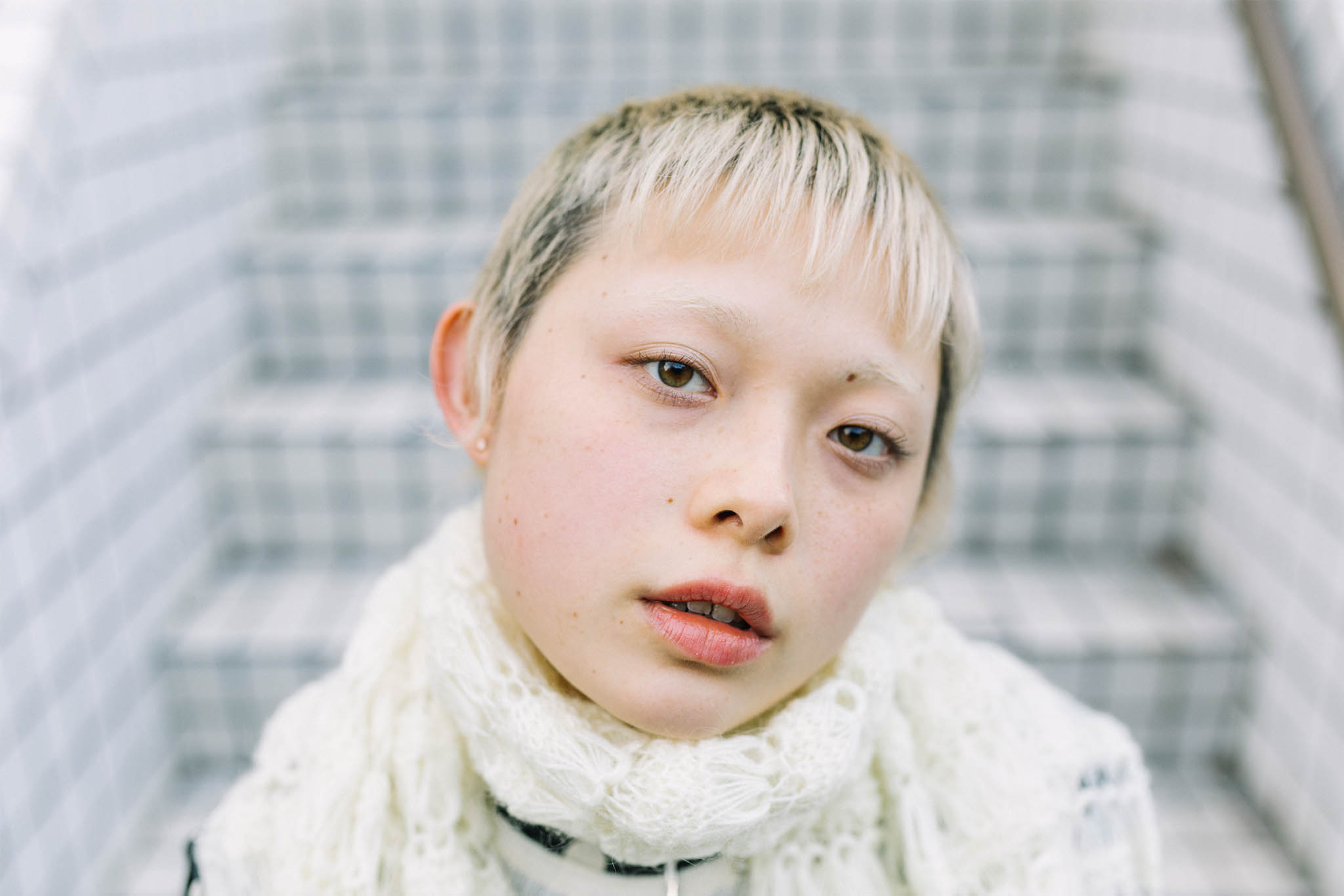
Low contrast means there is minimal difference between the juxtaposed colour qualities of a person’s colour characteristics.
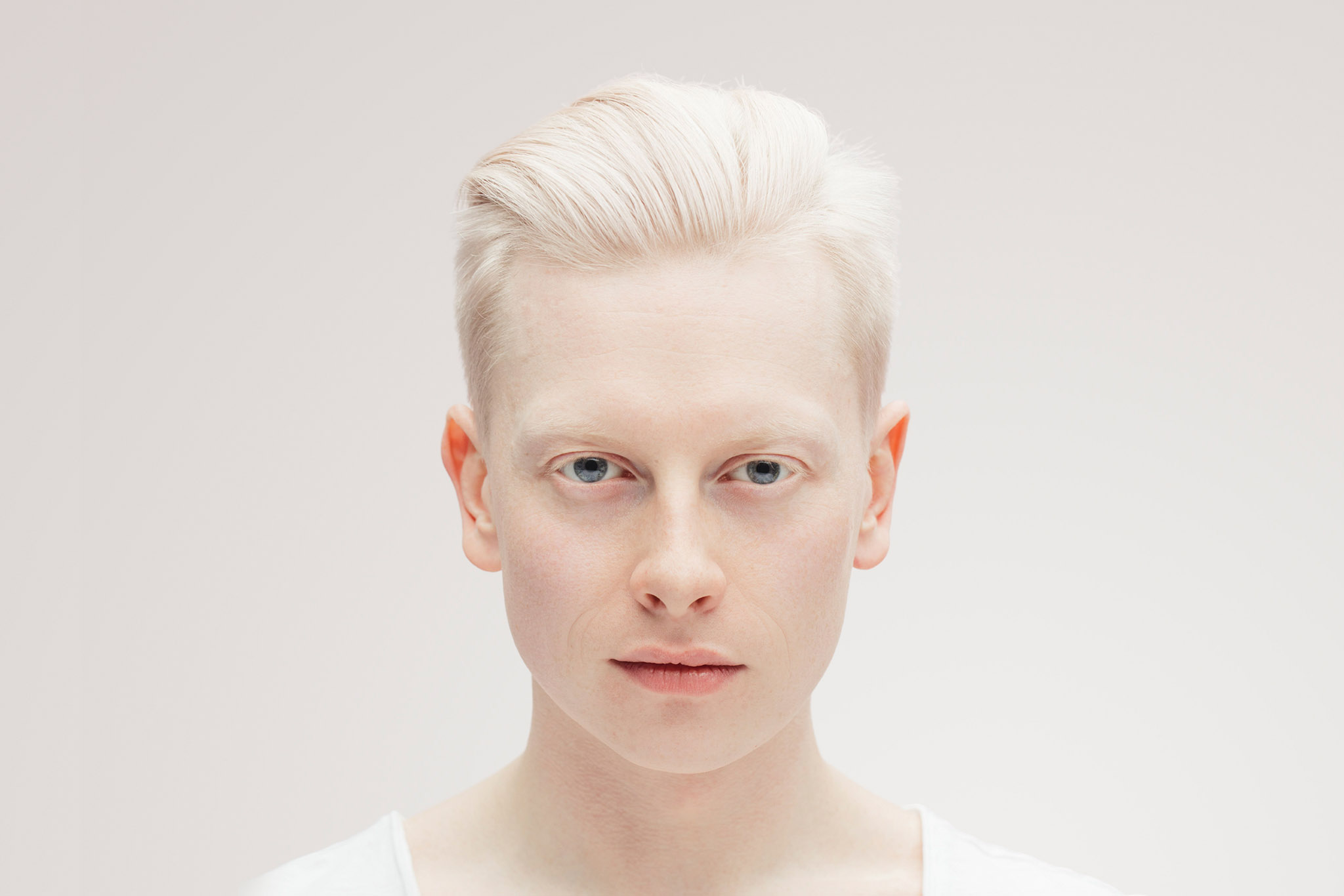
Low contrast is a general classification, determined and dominated by the similarity in tone between the skin and hair.
Low tone contrast happens across all skin tones, from people with light skin through medium to dark skin.
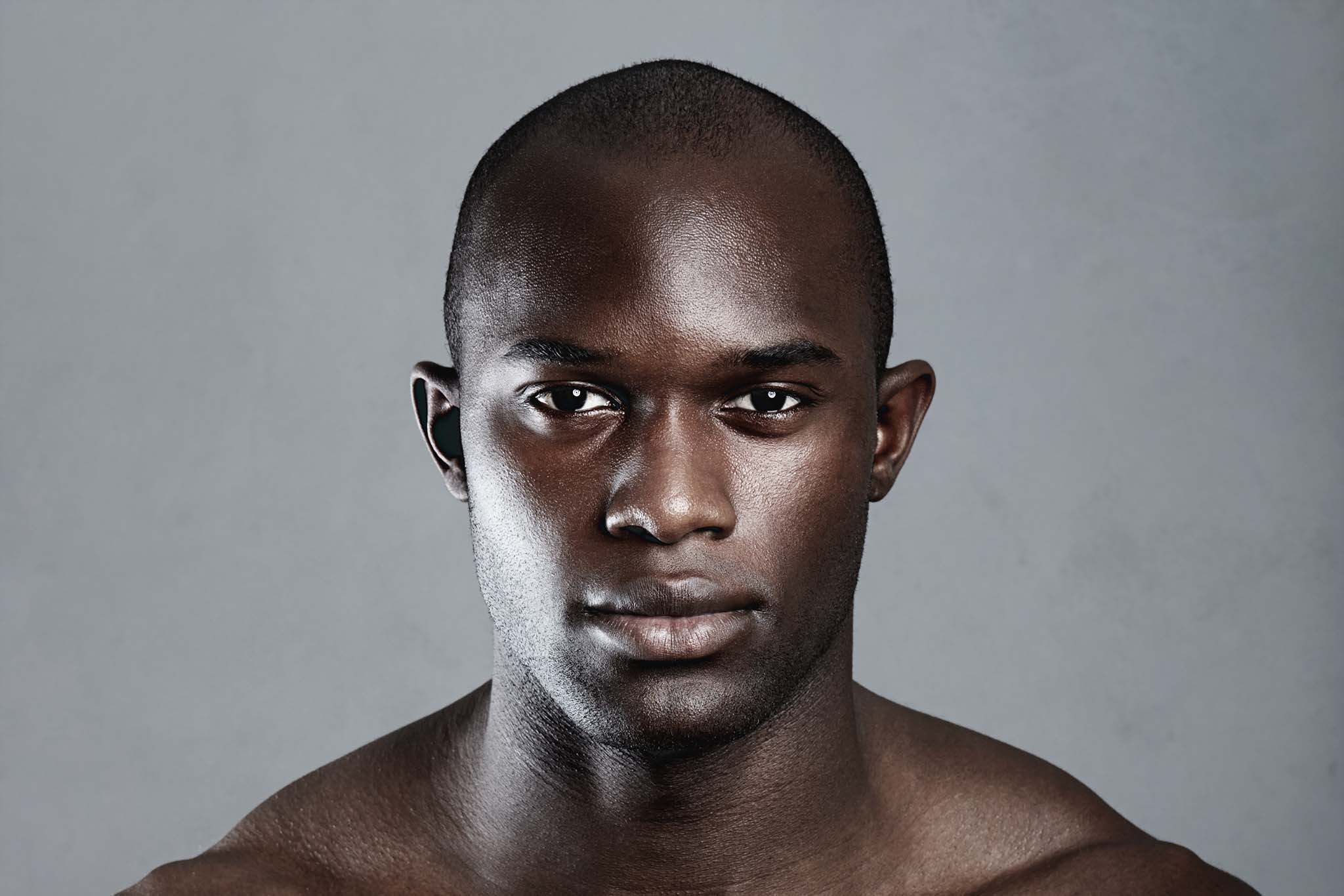
Most people who have natural low contrast between their skin and hair have darker hair than skin. People who have naturally lighter hair than skin usually have light skin.
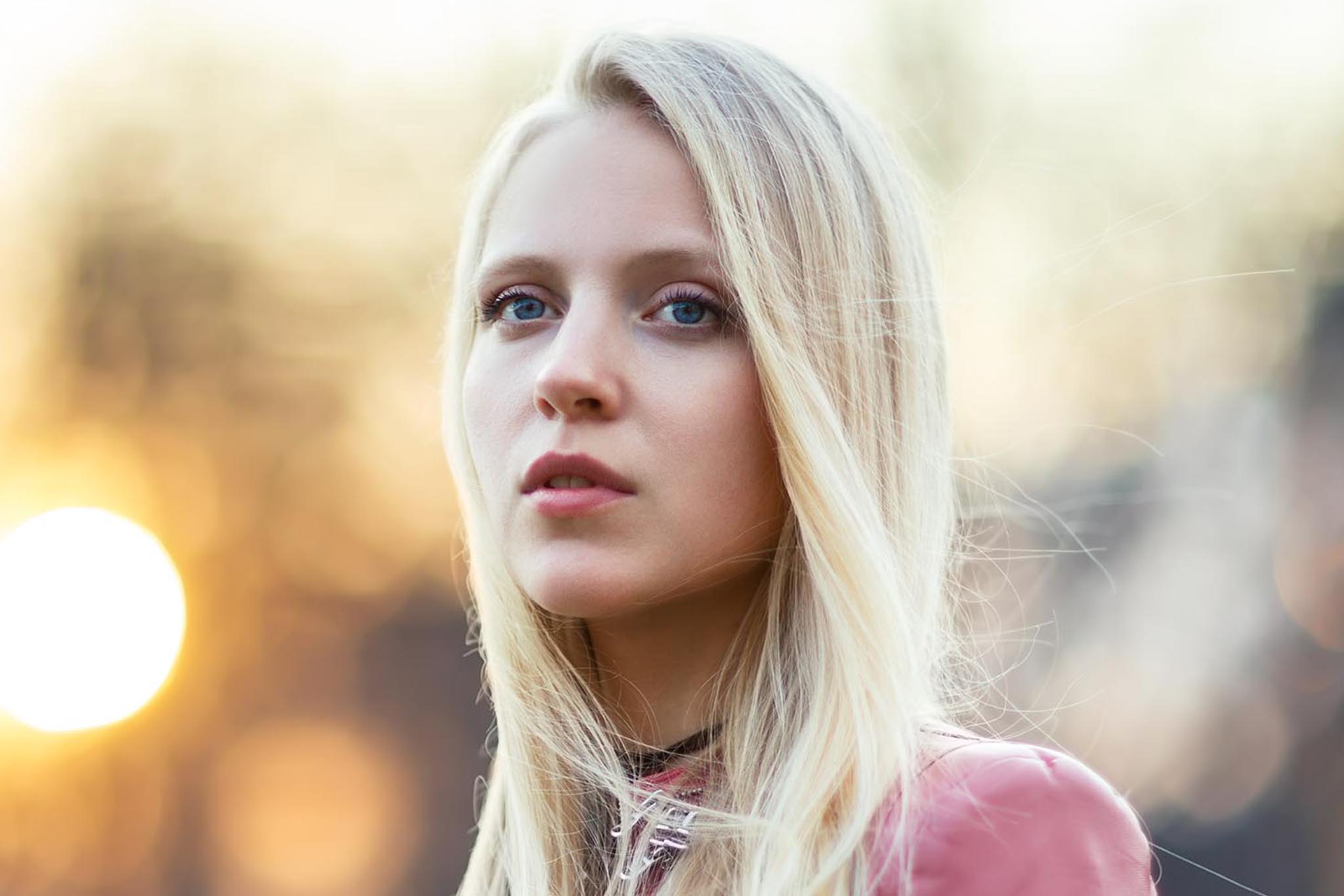
There are varying levels of low tone contrast between colour characteristics, which are generally considered below two levels of tone difference.
Once the difference between the skin and hair is two levels of tone, the contrast generally moves from low into moderate contrast.
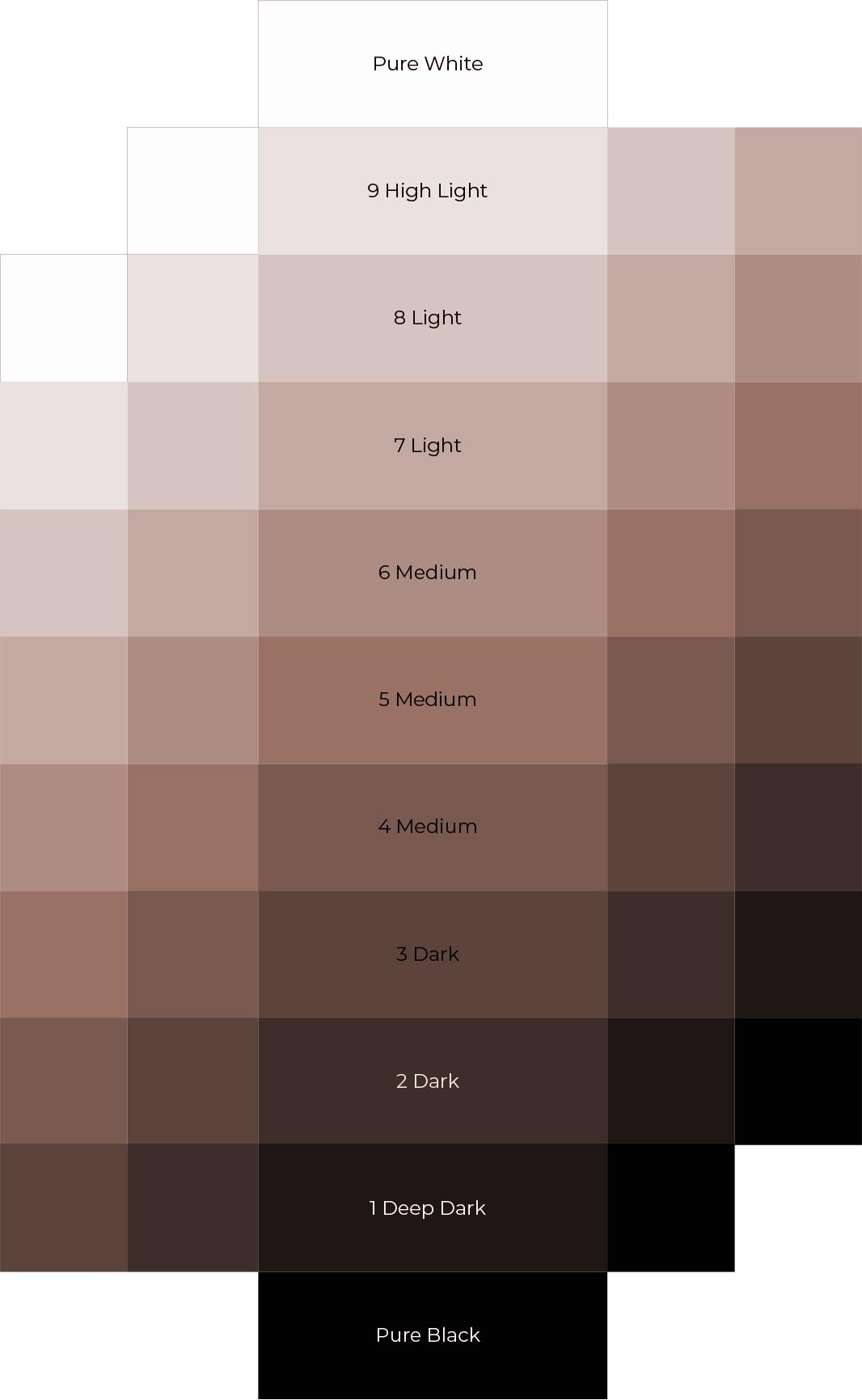
The different tone levels of skin, hair and eyes, the volume/area of hair, facial hair, and any blemishes, shade, shadow, moles, freckles etc will all contribute to a person’s low or moderate tone classification.
The difference between low and moderate tone contrast is imprecise, considering the organic nature and multifarious range of human colour qualities.
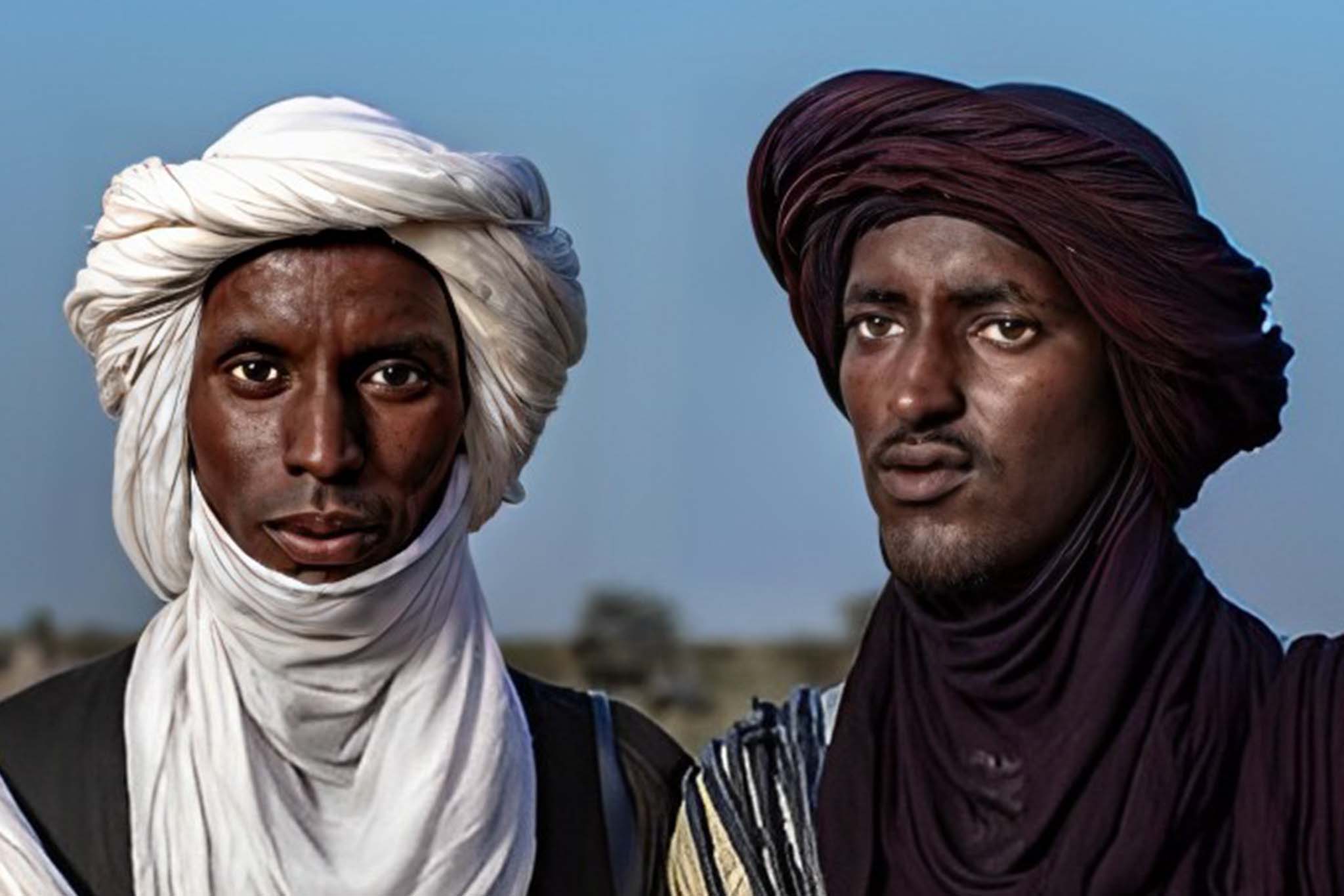
Determining if a person has overall low or moderate contrast is difficult, given the contrast of hue and variable saturation need to be considered.
If the hue and variable saturation of the skin, hair and eyes are the same or similar and the volume of hair is low, this will help the overall contrast remain low.
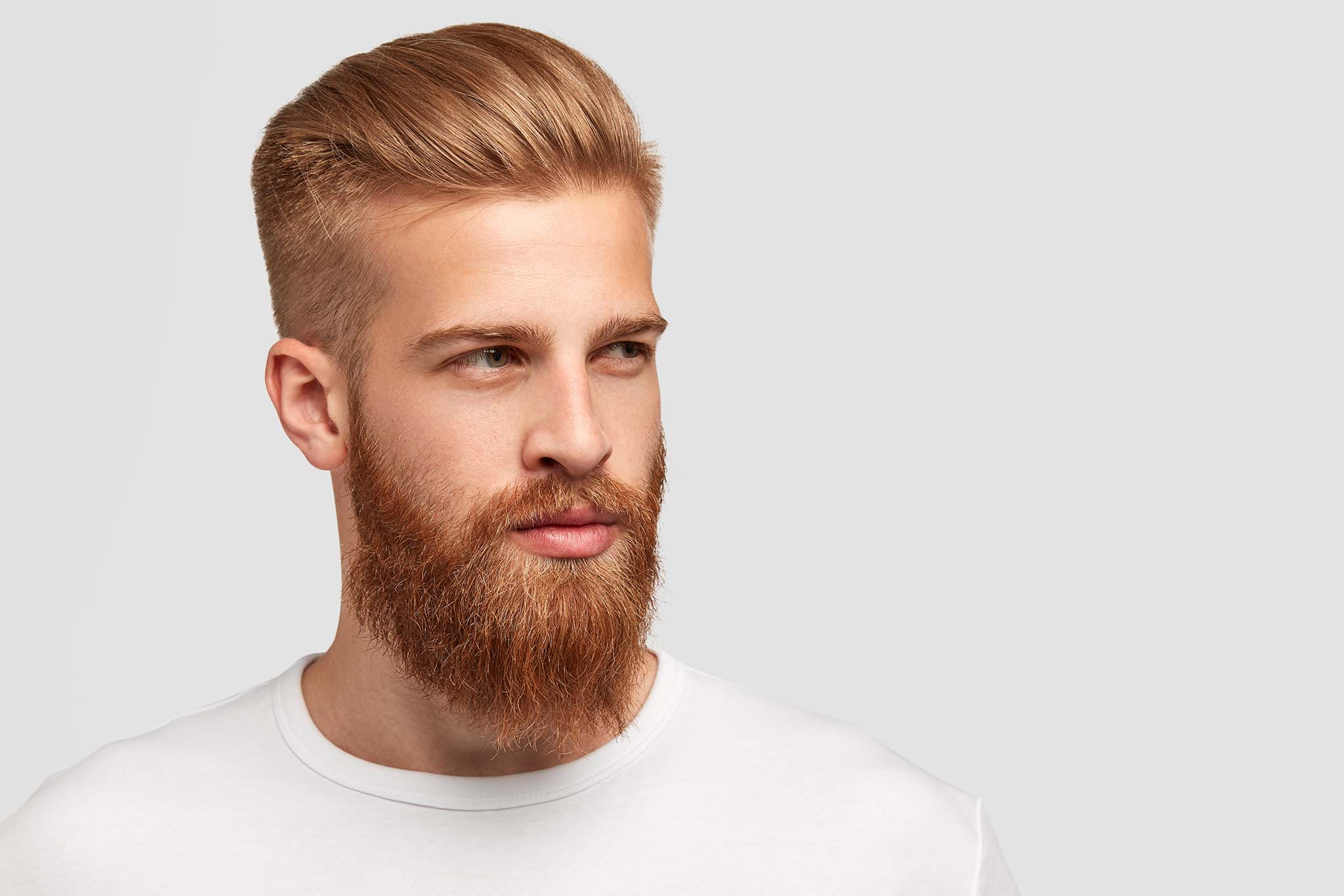
The hair and eyes of those with medium skin tone levels are most often darker, which usually results in a low to moderate level of contrast.
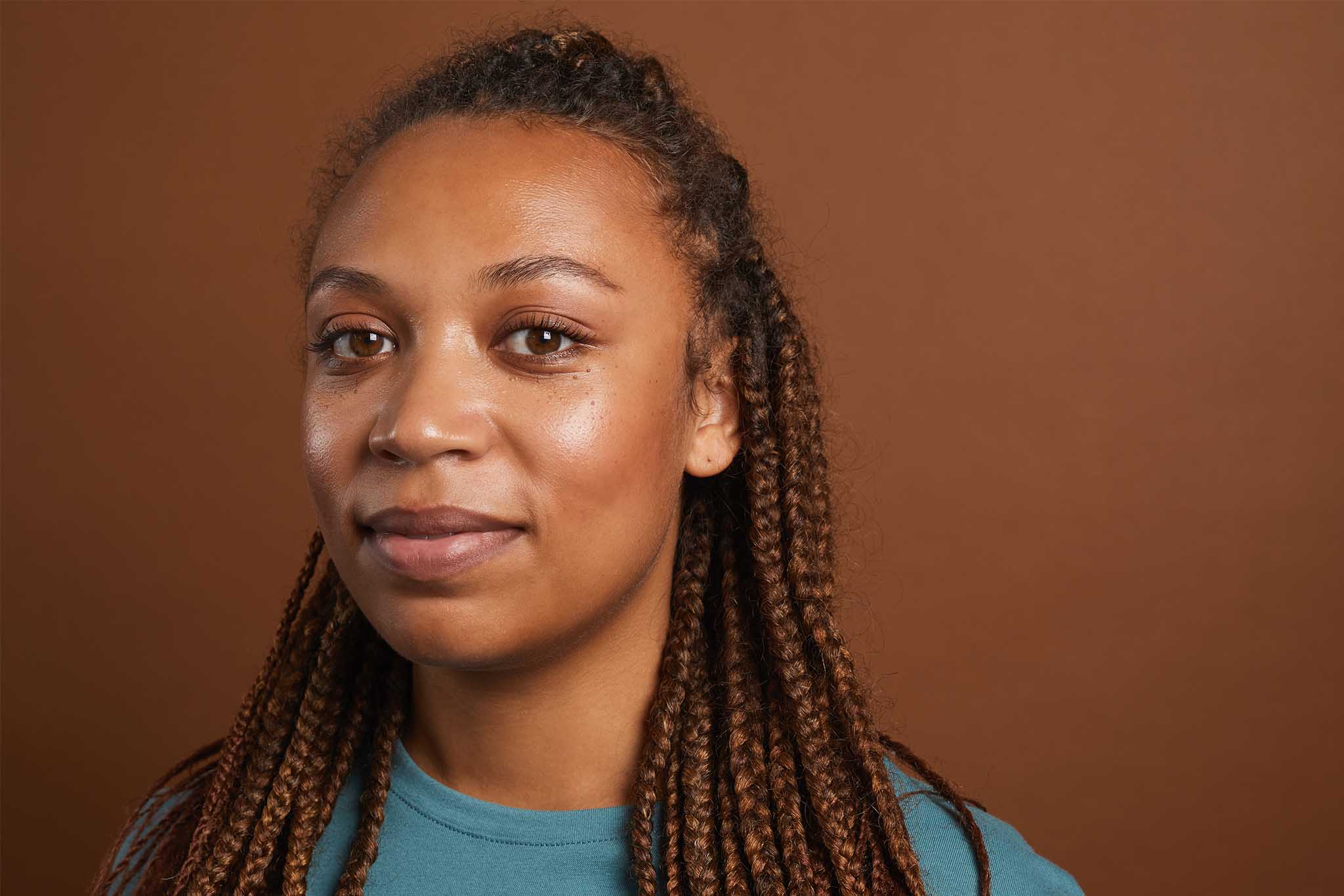
Low hue contrast generally occurs with light skinned people and is considered to be an analogous colour combination.
Low, variable saturation contrast generally means the variable saturation across a person’s skin, hair and eyes is similar, and is dominated by the variable saturation of their skin.
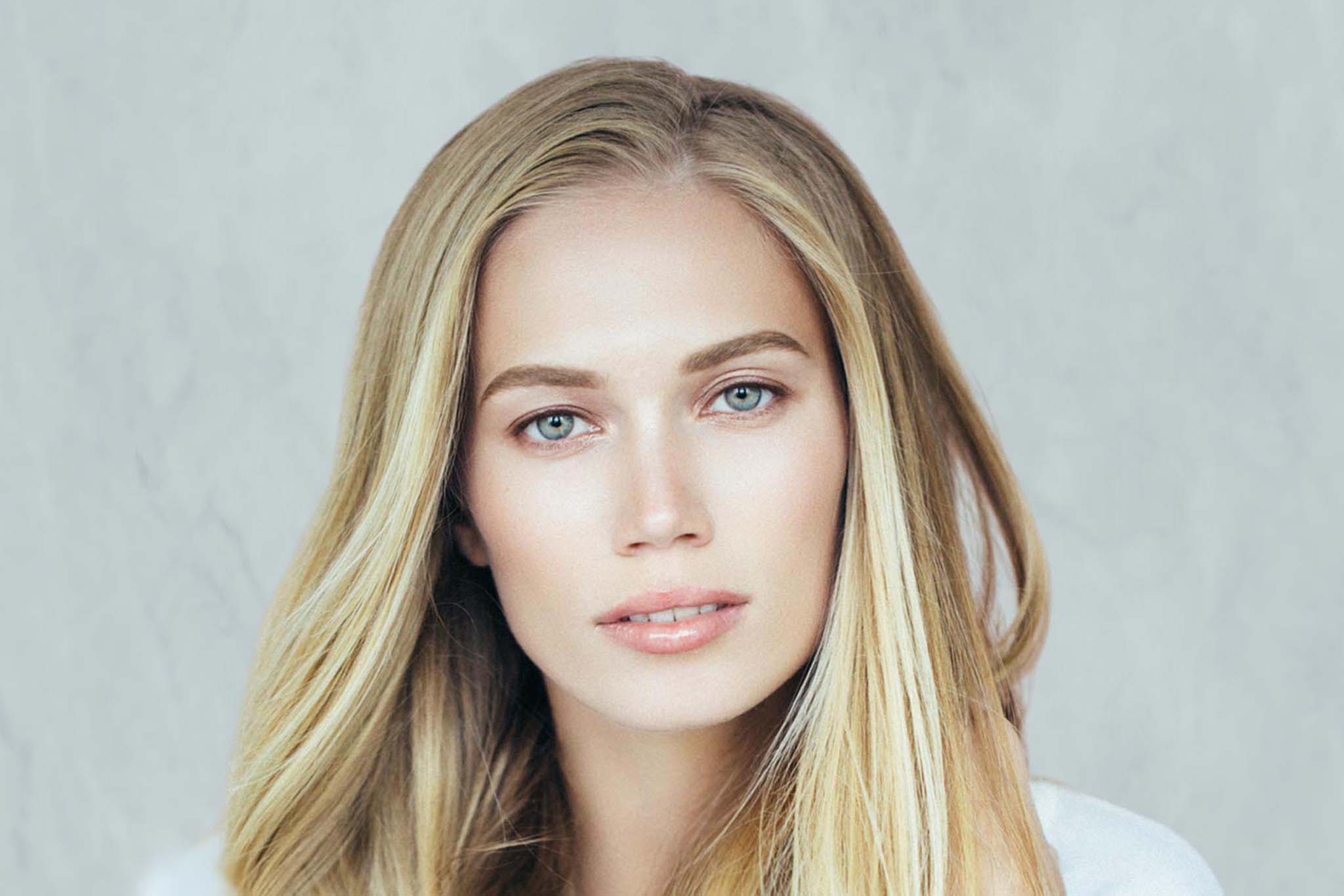
If a person is without hair, they will have low overall contrast. The contrast between the colour of their skin and eyes will become more significant, especially if the colours are different and the whites of the eyes are prominent.
If there is tone or hue contrast between their eyes and skin, they will most likely be a highlight or lowlight contrast, with the overall contrast remaining low.
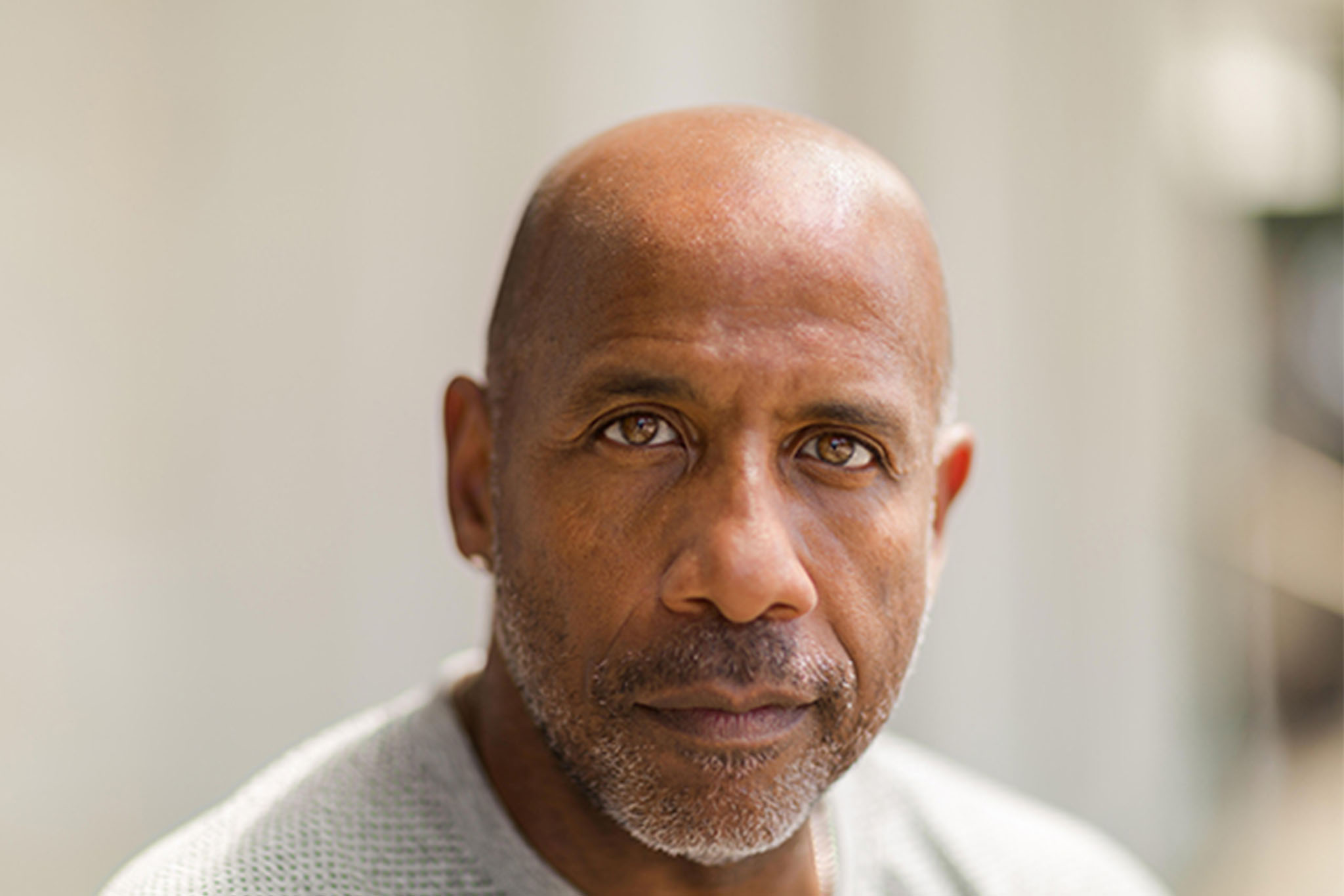
With the natural aging process and the loss of pigmentation, people with dark hair and light skin (high contrast) will lose natural contrast intensity as their colour characteristics move through the aging process.

Some people with natural high contrast will move through low contrast as they age, and others will end up with low overall colour characteristic contrast.

People can superficially create low contrast by dyeing their hair to a tone which is closer to their skin.
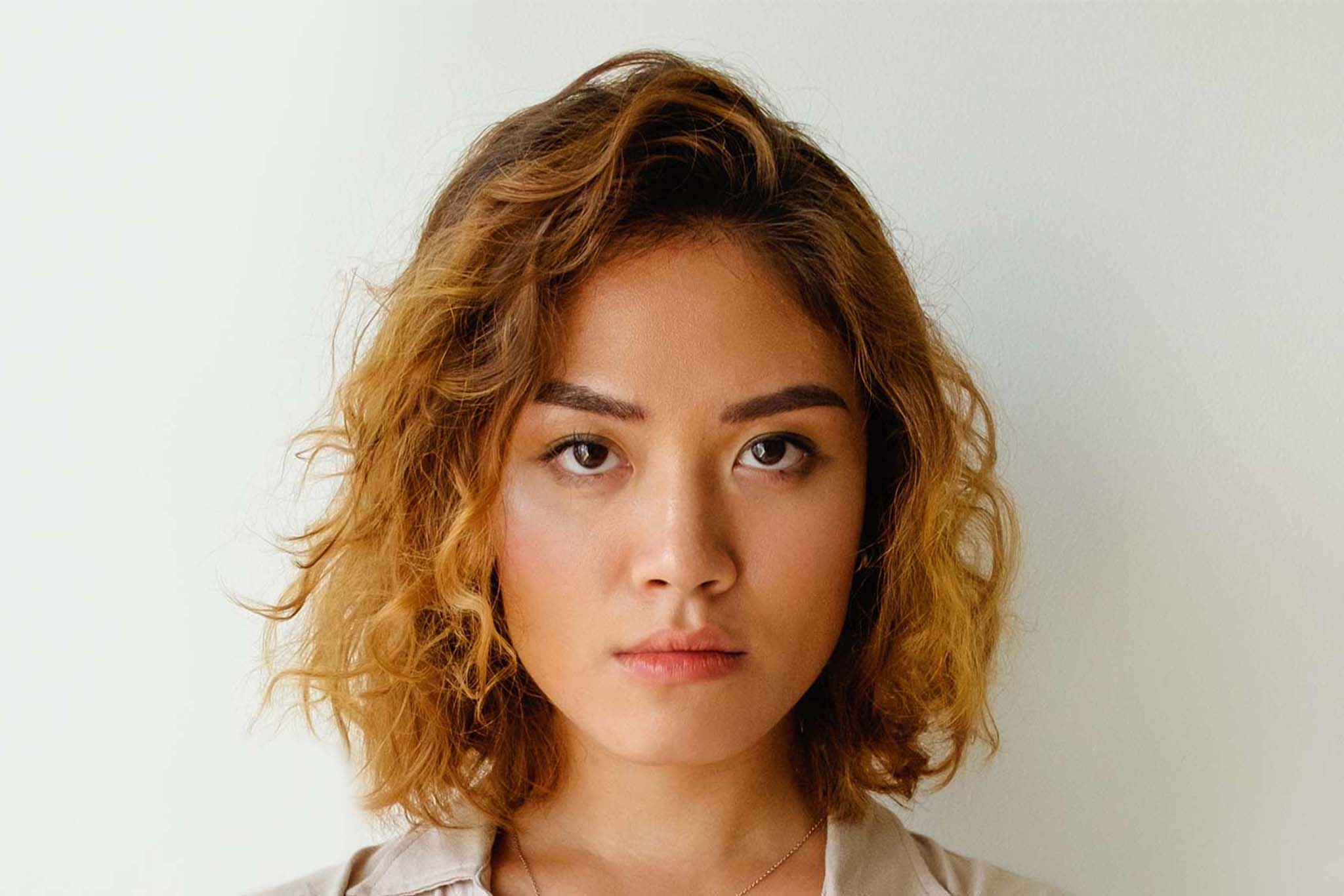
If a person has low natural contrast between all colour characteristic qualities and the hue of their hair changes, the chances are the contrast will remain low – unless the superficial colour is not a natural neutral tone and is approximately more than four colour categories from their natural underlying skin hue.

Colour characteristic lowlights
Colour characteristics with lowlights refer to either dark or discoloured contrast areas on the skin, around the eyes or within the hair.
Most natural lowlights occur on the skin; however, lowlights do occur naturally in the hair, usually as people age or once a person changes their hair colour.
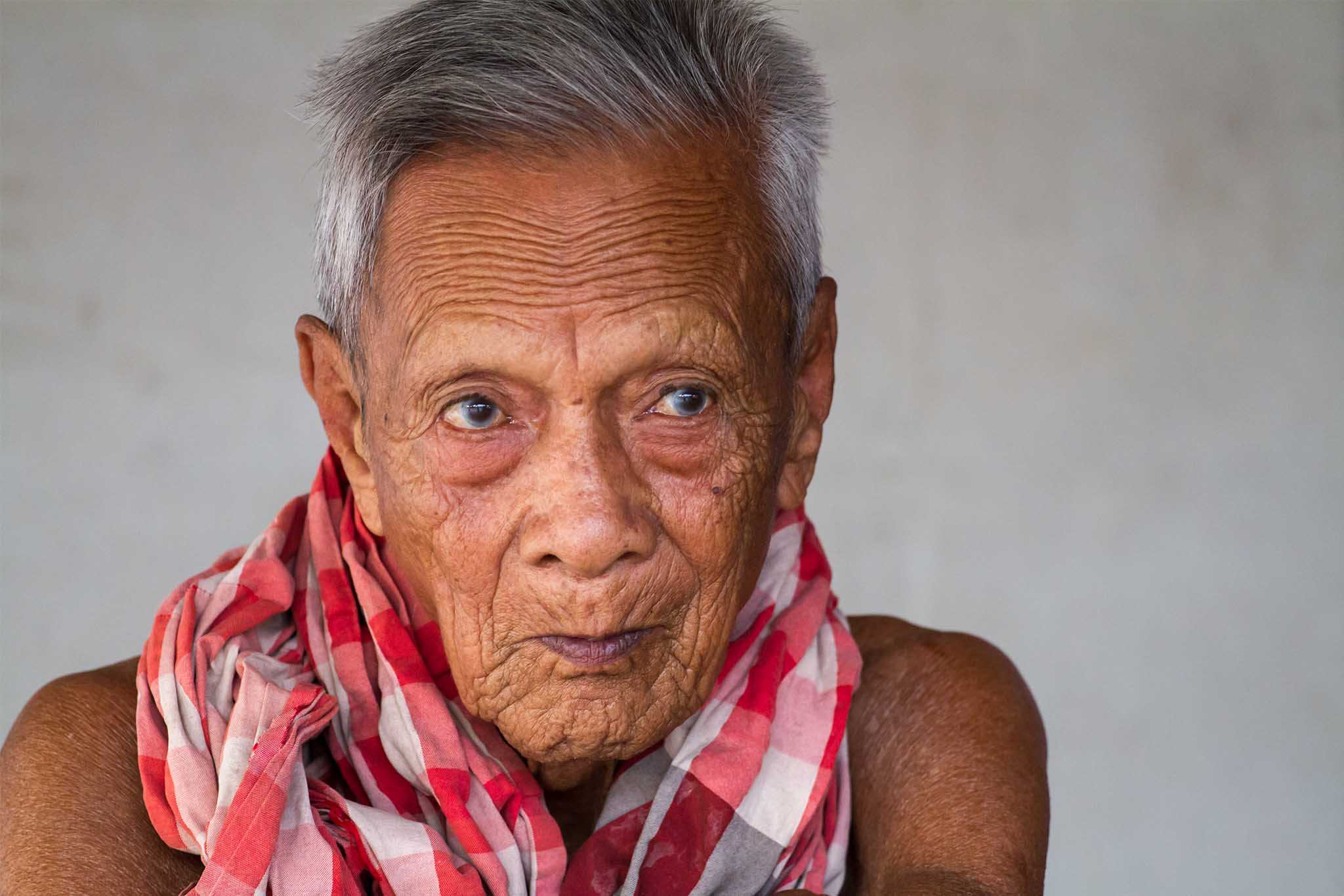
Considering the small size of the eyes, it is difficult to recognise lowlight areas, although they are present on some people.
In general, dark eyes are not considered lowlights because they have a film of fluid over them which reflects light.
Lowlights are usually two or more tones darker than the juxtaposed area of a colour characteristic.

If the tone of the lowlight is only one level different, but the hue of the lowlight is noticeably different, the combination may make the area a lowlight.
Lowlights usually create low contrast; however some more severe lowlights may create moderate to high contrast.
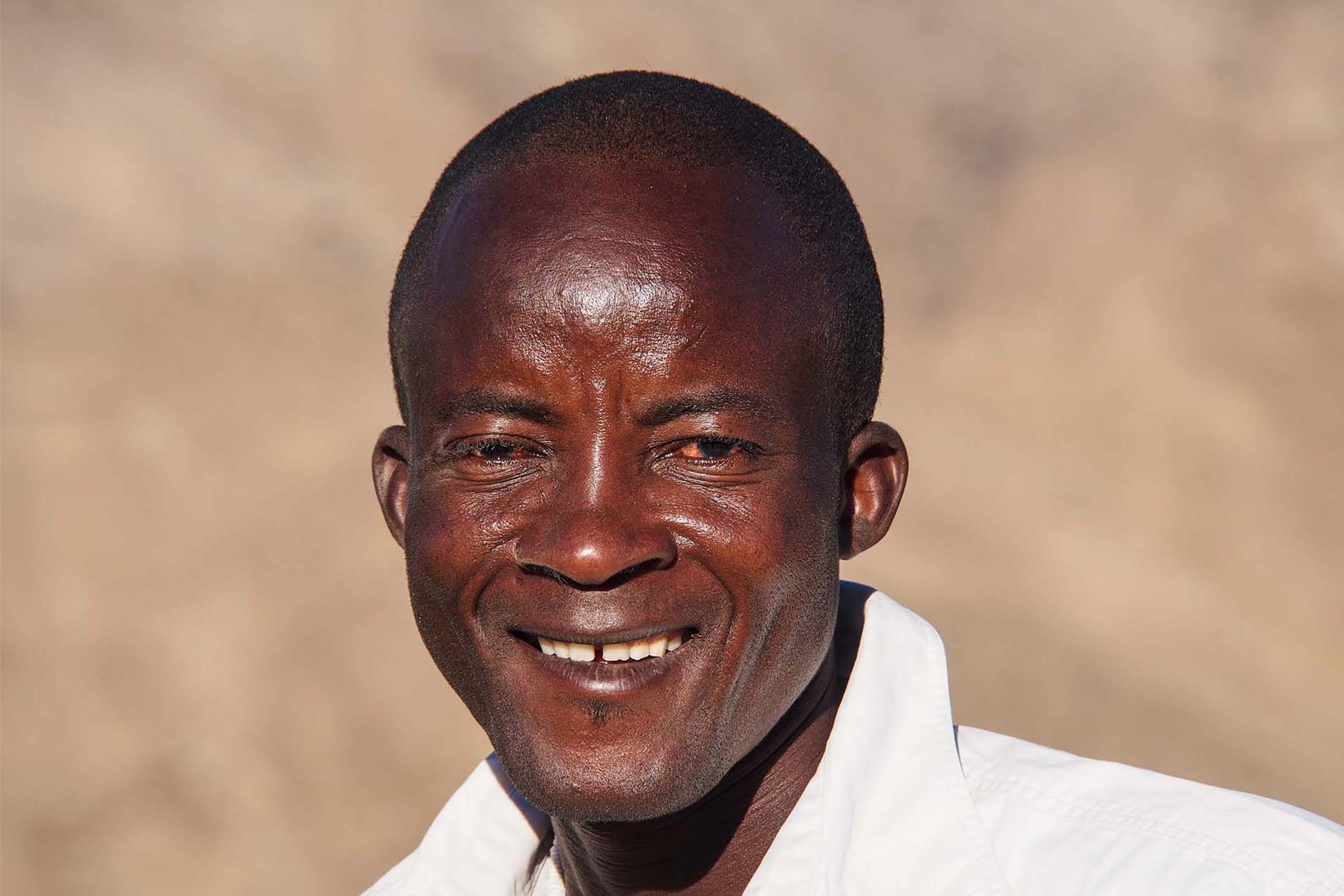
If the tone of a blemish or variable is only one level different, but the hue of the lowlight is noticeably different, the combination may make the area a lowlight.
Deep wrinkles, dark circles or bags under the eyes, dark freckles and discolouring of the whites of the eyes or teeth are also considered to be facial lowlights.
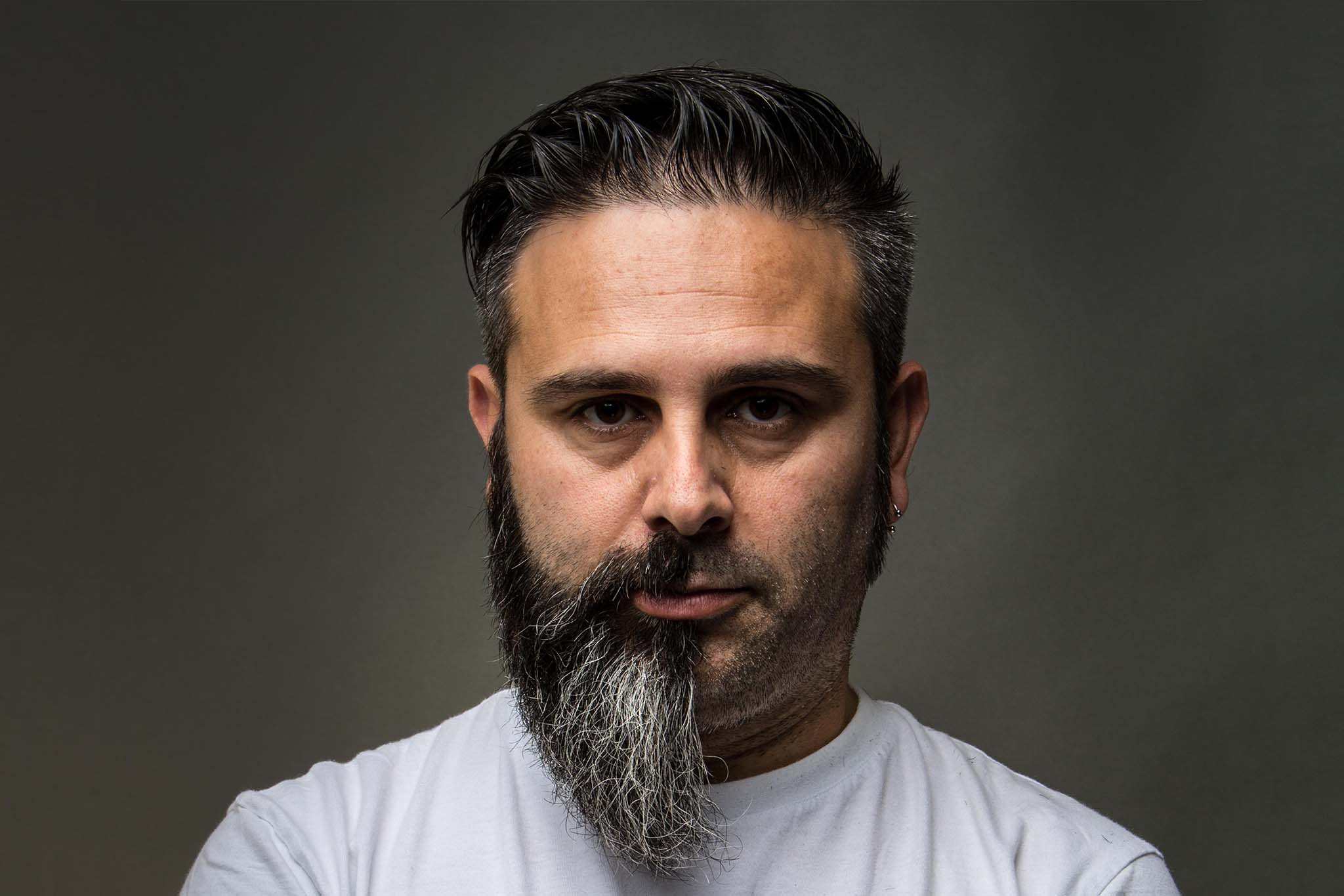
Facial hair shadow or stubble is a lowlight area on the face, where as a beard is not.
Dark areas on the skin are emphasised by dark hair or lowlights within the hair and in most cases have a low to moderate effect on colour expression.

People can choose to reduce or increase their lowlights through hair colouring, make-up, facial tattooing and facial hair growth.
Lowlight colour qualities can be a focal point when the level of contrast is high.